.png)

All accessible by car. Almost zero crowds. Stunning landscapes most visitors never see.
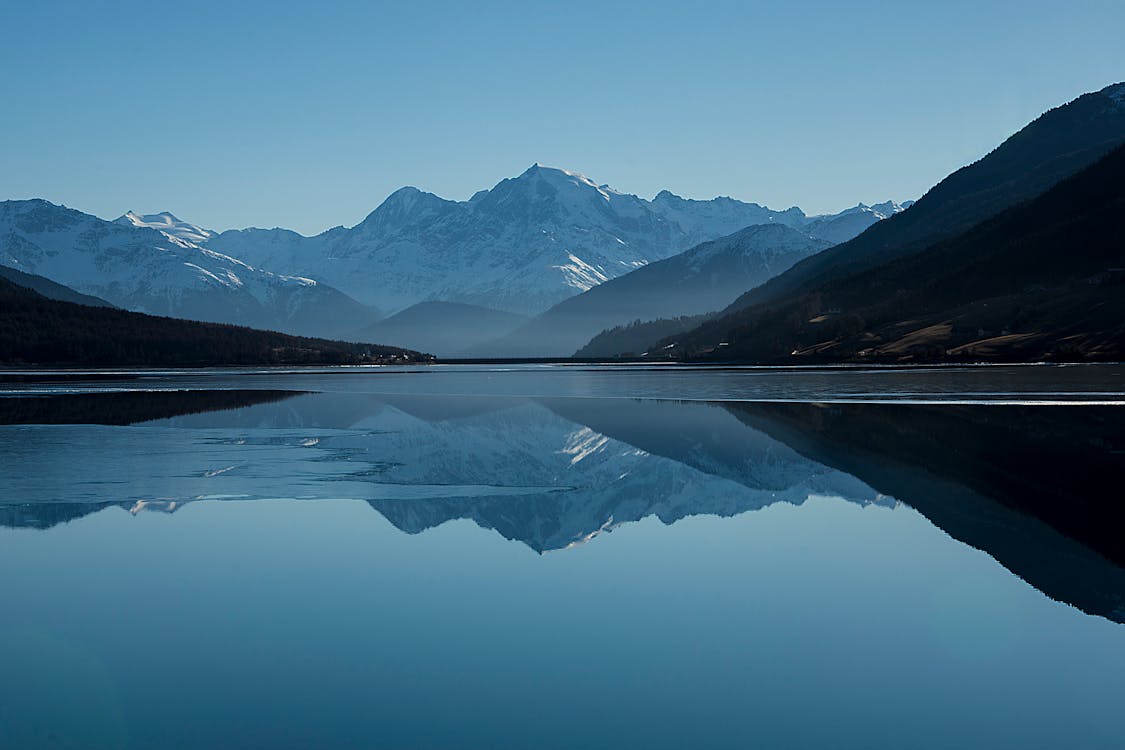
America has 63 national parks. Most travelers visit the same 10. These 7 are waiting.
Every summer, millions of visitors flood Yellowstone, Yosemite, and Grand Canyon — fighting for parking, waiting in two-hour lines, and returning home more stressed than when they left. Meanwhile, some of the most spectacular landscapes in America sit nearly empty, waiting for the travelers who actually look beyond the bucket list.
These 7 hidden national parks receive a fraction of the visitors of their famous counterparts — but deliver just as much in raw natural beauty, wildlife, and genuine wilderness. No crowds. No reservations required for most trails. Just nature, as it was meant to be experienced.
01 North Cascades National Park — Washington
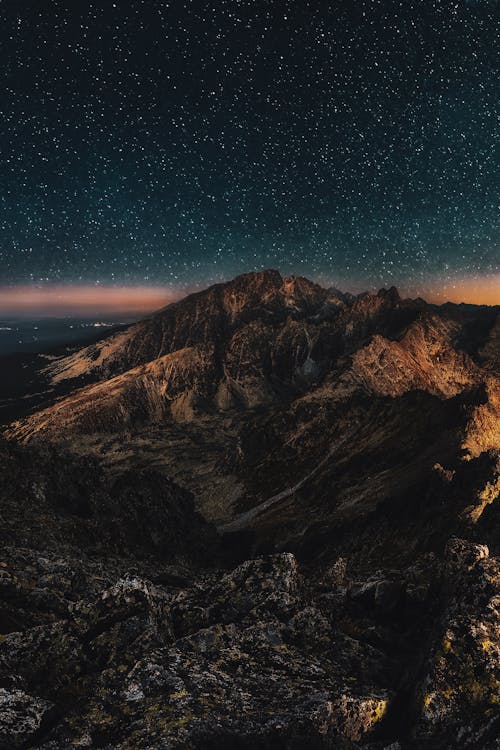
North Cascades — often called "The American Alps." Only 3 hours from Seattle.
"Three hours from Seattle. Over 300 glaciers. And almost nobody goes there."
North Cascades is one of the most dramatic landscapes in the continental United States — and one of its most overlooked. 519 glaciers cover more than 90 square miles, making it the most glaciated area in the lower 48 states. Jagged peaks with names like Mount Terror, Mount Fury, and Forbidden Peak rise above turquoise alpine lakes that look borrowed from the Swiss Alps.
Despite being just three hours from Seattle, with fewer than 17,000 annual visitors, it's one of the quietest national parks in the lower 48.
Best time to visit
July–September (highway closed by snow Nov–April). Early September is the sweet spot: open roads, zero crowds, first hints of fall color on the larches.
- Diablo Lake Overlook — turquoise water from glacial flour; nothing looks like it
- Maple Pass Loop (6.5 mi) — best fall foliage hike in Washington, panoramic larch views
- Cascade Pass trail — gateway to serious backcountry with views rivaling any park in the US
02 New River Gorge National Park — West Virginia
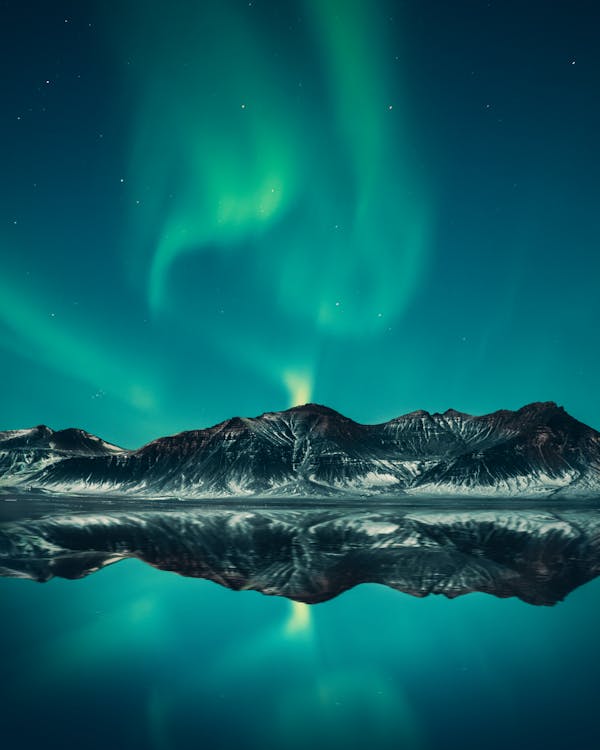
New River Gorge — America's newest national park, established 2020.
"America's newest national park — and most people still haven't heard of it."
Established in December 2020 as the US' 63rd national park, New River Gorge protects a 53-mile stretch of the New River — one of the oldest rivers in the world, estimated between 10 million and 360 million years old. The gorge is home to over 1,400 rock climbing routes, world-class whitewater rapids, and the iconic New River Gorge Bridge — the longest single-arch steel span in the Western Hemisphere.
Best time to visit
September–October for peak fall foliage (rivals New England). May–June for whitewater rafting.
- Long Point Trail (3.2 mi) — best view of the iconic bridge, almost nobody on the trail
- Grandview Overlook — jaw-dropping canyon view from the parking lot
- Whitewater rafting, Lower Gorge — Class IV-V rapids with a guided outfitter
03 Guadalupe Mountains National Park — Texas

McKittrick Canyon in fall — the best autumn colors in Texas, hidden inside a desert mountain range.
"The best fall foliage in Texas is hiding inside a national park most people have never heard of."
Guadalupe Mountains protects the four highest peaks in Texas, including Guadalupe Peak at 8,751 feet. Hidden inside this desert range: McKittrick Canyon, where maple and oak trees turn brilliant red and gold every October in a display that rivals New England. The park sits on the ancient Permian Reef — a reminder this desert was once a shallow tropical sea.
Best time to visit
October–mid November for peak fall foliage in McKittrick Canyon (arrive early — parking fills by mid-morning). March–April for wildflowers.
- McKittrick Canyon Trail (4.8 mi to The Notch) — gold and red maples in a desert canyon
- Guadalupe Peak summit (8.4 mi, 3,000 ft gain) — highest point in Texas
- Devil's Hall Trail (4.2 mi) — narrow rock staircase into a dramatic stone hallway
04 Pinnacles National Park — California
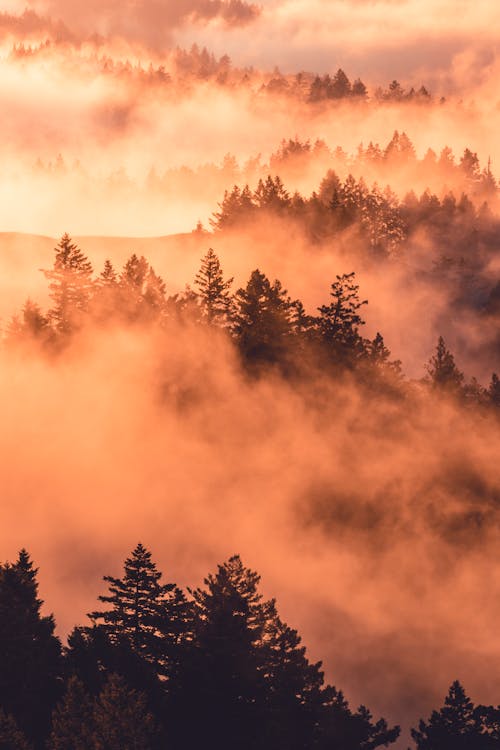
Pinnacles — ancient volcanic spires and one of the only places to spot a California condor in the wild.
"There are fewer than 600 California condors left on Earth. This is one of the only places you can watch them soar."
Pinnacles formed from a volcano that erupted 23 million years ago, then was split and carried 195 miles north by the San Andreas Fault. The park is a primary release site for the California condor reintroduction program — with a 9.5-foot wingspan, condors are the largest flying birds in North America. Despite being 1.5 hours from San Jose, the park flies almost entirely under the radar.
Best time to visit
March–May for wildflowers and mild temperatures. Avoid summer heat on the east side (100°F+). Condors most visible early morning on thermal currents.
- High Peaks Trail loop (8.5 mi) — best condor-watching opportunities in the park
- Bear Gulch Cave — talus cave explored by headlamp (check seasonal closure for bats)
- Sunrise at High Peaks trailhead — arrive by 7am for condors riding morning thermals
05 Saguaro National Park — Arizona

Saguaro at sunset — a forest of giant cacti, some over 150 years old, surrounding Tucson.
"This national park literally surrounds a city — and most people driving through Tucson never stop."
Saguaro is split into two districts sandwiching Tucson on both sides. The giant saguaro cactus (Carnegiea gigantea) doesn't grow its first arm until age 75. At maturity — up to 150 years old — it can reach 40 feet tall and weigh 4,800 pounds. Walking through a dense saguaro forest at golden hour is one of the most visually striking experiences in the American West.
Best time to visit
November–April for comfortable temperatures. June for saguaro blooms (Arizona's state flower). Avoid July–August midday heat.
- Bajada Loop Drive (West District) — 6-mile scenic drive through the densest saguaro forest at golden hour
- Signal Hill Petroglyphs — ancient Hohokam rock art surrounded by towering saguaros
- Tanque Verde Ridge Trail (East District) — climb above the saguaro zone into oak woodland
06 Indiana Dunes National Park — Indiana

Indiana Dunes — 15 miles of Lake Michigan shoreline, 90 min from Chicago, more plant species than Yosemite.
"90 minutes from Chicago, there are sand dunes rising 200 feet above a Great Lake. Most Chicagoans have never been."
Indiana Dunes protects 15 miles of Lake Michigan shoreline with dunes up to 200 feet high. Established in 2019, it remains almost entirely unknown outside the Midwest — despite being one of the most biodiverse national parks in the country, with over 1,100 native plant species — more than Yosemite or Yellowstone. Boreal bogs, oak savannas, marshes, and towering dunes all coexist within a few miles of each other.
Best time to visit
June–August for swimming. October for fall colors on the lakeshore. Weekdays only in summer — weekends draw heavy local crowds.
- Mount Baldy — a "living dune" that moves several feet per year; sweeping lake views
- Cowles Bog Trail (4.7 mi) — ancient bog, oak savanna, dune forest in one walk
- West Beach at sunrise — the lake catches early light; extraordinary calm even in summer
07 Wind Cave National Park — South Dakota

Wind Cave — 160 miles of cave passages below, free-roaming bison above.
"Below the prairie where bison roam, one of the world's longest cave systems winds through 160 miles of passages."
Wind Cave contains an estimated 95% of the world's known boxwork — a rare honeycomb-like mineral formation found almost nowhere else on Earth. Over 160 mapped miles of passages make it one of the longest caves in the world, yet scientists believe less than 5% has been explored. Above ground, free-roaming bison, elk, pronghorn, and prairie dogs live much as they did before European settlement.
Best time to visit
May–September for tours and wildlife. June for bison calves. The cave is a constant 53°F year-round — bring a layer.
- Natural Entrance Cave Tour — classic 1.5h tour with boxwork and wind-pressure system
- Candlelight Cave Tour — historic tour by candlelight (book weeks ahead in summer)
- Wildlife loop at dawn — bison most active at sunrise; prairie mist = extraordinary photography
The Takeaway: America's Best Parks Are the Ones Nobody Talks About
America's national park system protects 63 parks — but most travelers visit the same 10. The parks on this list offer the same protected wilderness, the same ranger programs, the same dramatic landscapes — without the reservation battles and parking wars that have turned some iconic parks into outdoor theme parks.
New River Gorge was established in 2020. Indiana Dunes in 2019. North Cascades has been gaining attention. Each of these parks will be more crowded in five years than it is today. The best time to visit any of them is now.
📍 We publish detailed guides to hidden national parks every week.
Full trail guides, best times to visit, and insider tips at hiddenparksusa.site
Save this article — your next adventure is in here. 🌲